End of Tenancy Cleaning in SE15: A Practical, SEO-Friendly Look at What Tenants and Landlords Need to Know
Why End of Tenancy Cleaning in SE15 Matters

End of tenancy cleaning in SE15 is one of those tasks that can feel simple at first glance, yet it often determines how smoothly a move goes. Whether you are leaving a flat near Peckham Rye, a terraced house close to Queen’s Road, or a modern apartment in the wider SE15 area, the condition you leave the property in can affect deposit returns, landlord approval, and the overall handover process.
In a busy London postcode like SE15, expectations are usually high. Property managers, letting agents, and landlords typically want the home returned in a clean and presentable state. This means far more than a quick sweep and a wipe of surfaces. It often involves deep cleaning kitchens, bathrooms, floors, fixtures, and hidden areas that are easy to overlook when packing and moving.
If you are preparing for a tenancy end, understanding what end of tenancy cleaning in SE15 involves can save time, stress, and money. It can also help you decide whether to do the work yourself or book your service now with professional cleaners who know the local standards and expectations.
What Makes SE15 Properties Unique?

SE15 has a character all its own. The area combines period conversions, Victorian terraces, council properties, warehouse-style spaces, and newer developments. Because of that variety, end of tenancy cleaning in SE15 is rarely a one-size-fits-all job. Older properties may have more stubborn grime, original fittings, and delicate surfaces, while newer homes can have sleek finishes that show fingerprints, limescale, and dust more easily.
Another important factor is occupancy. Many SE15 properties are shared homes, family rentals, or furnished apartments with a lot of high-touch areas. Sofas, mattresses, kitchen appliances, and built-in storage can accumulate dirt over time. When moving out, the goal is to return the property to a condition that matches the tenancy agreement and inspection standards as closely as possible.
That is why SE15 end of tenancy cleaning should be approached with a clear plan. It is not just about appearance; it is about covering the areas most likely to be checked during the final inspection. A smart cleaning strategy can make a noticeable difference when the inventory clerk arrives.
What End of Tenancy Cleaning Usually Includes
Professional end of tenancy cleaning in SE15 normally focuses on a detailed top-to-bottom clean of the property. The exact checklist can vary depending on the home, but most services include a wide range of tasks designed to restore cleanliness throughout every room.
Common tasks often include:
- Cleaning inside and outside kitchen cabinets
- Degreasing ovens, hobs, extractors, and splashback areas
- Descaling sinks, taps, showers, and bathroom fittings
- Wiping skirting boards, doors, switches, and handles
- Vacuuming and mopping all floors
- Dusting shelves, light fixtures, and reachable surfaces
- Cleaning internal windows and window sills
- Removing cobwebs and light dirt from corners and ceilings
In many cases, the service also includes careful attention to appliances such as fridges, freezers, washing machines, microwaves, and dishwashers. These areas are often inspected closely because hidden residue or odours can quickly make a property seem less well maintained.
Rooms That Need the Most Attention

The Kitchen
The kitchen is usually the most demanding part of end of tenancy cleaning in SE15. Grease, food spills, limescale, and appliance buildup can all create issues if they are not properly removed. Ovens are especially important, as many landlords expect them to be left in near-original condition unless stated otherwise in the tenancy agreement.
A thorough kitchen clean often includes cabinet interiors, drawer fronts, countertops, sink traps, tile grout, and any visible buildup around appliances. It is also wise to check behind and beneath white goods, because dust and crumbs often gather in those hidden spaces. In a competitive rental market, a spotless kitchen can strongly influence the final inspection outcome.
The Bathroom
Bathrooms need equally careful treatment. Limescale on taps, soap scum on screens, mould around seals, and water marks on tiles are common problems in rented homes. End of tenancy cleaning in SE15 should address all of these to ensure the bathroom feels fresh, hygienic, and ready for the next occupant.
Special attention should be given to toilet bases, shower heads, drains, mirrored cabinets, and extractor fans. These are the spots inspectors often notice first. A bathroom that looks gleaming can create a strong impression of overall care throughout the property.
Living Rooms, Bedrooms, and Hallways

Although kitchens and bathrooms are the most intensive areas, living rooms, bedrooms, and hallways should not be neglected. These spaces can collect dust on skirting boards, radiators, shelves, and behind furniture. Carpets and hard floors may show signs of wear, especially in high-traffic homes.
End of tenancy cleaning in SE15 should include vacuuming under beds where possible, wiping wardrobe interiors, dusting light fittings, and cleaning fingerprints from doors and switches. Hallways deserve particular attention because they are often the first area seen during an inspection. A tidy hallway can set the tone for the rest of the property.
In furnished properties, soft furnishings and upholstery may also require extra care. While not every tenancy includes specialist fabric cleaning, removing surface dust and stains from sofas, chairs, and cushions helps the home look better presented. If the tenancy agreement specifies professional carpet or upholstery cleaning, this should be arranged before the final check-out.
Why Professional Cleaning Is Often Worth It
Many tenants start with the idea of doing the whole job themselves. That can work in smaller properties or when the home has been well maintained. However, end of tenancy cleaning in SE15 can become overwhelming when time is short, the property is large, or the expected standard is particularly high.
Professional cleaners bring the right products, equipment, and experience to handle the job efficiently. They know how to remove stubborn grime, tackle built-up grease, and deal with the types of stains that usually appear in rental homes. More importantly, they understand the level of detail that landlords and inventory clerks often expect.
There is also a practical benefit: hiring a team saves time when moving house is already stressful. Packing, arranging removals, updating addresses, and managing utilities can be enough to handle on their own. Choosing professional end of tenancy cleaning in SE15 gives tenants one less thing to worry about during an already busy period.
How to Prepare Before the Clean
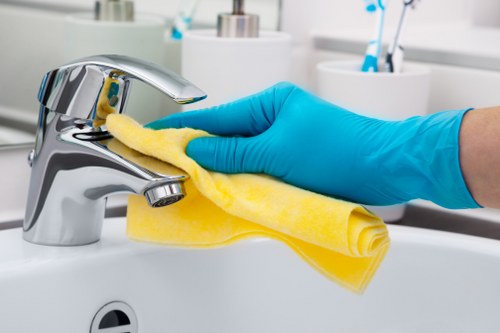
Preparation can make end of tenancy cleaning in SE15 much smoother. Before any cleaning begins, it helps to remove all personal belongings, dispose of rubbish, and clear surfaces as much as possible. Cleaners can work more effectively when they are not navigating around boxes, bags, or forgotten items in cupboards.
Useful preparation steps include:
- Empty all rooms and storage spaces
- Defrost the freezer in advance if needed
- Unplug appliances and move portable items safely
- Check your tenancy agreement for special cleaning clauses
- Take photos of the property condition before and after cleaning
These small steps can make the process quicker and more organised. They also help reduce the risk of missing an area that might be checked later during the handover.
Common Mistakes Tenants Make
One of the biggest mistakes is leaving the clean until the last minute. End of tenancy cleaning in SE15 is far more effective when there is enough time to work through the property properly. Rushing usually leads to missed corners, neglected appliances, and incomplete bathroom cleaning.
Another common issue is assuming that a general domestic clean is enough. Normal weekly cleaning and end of tenancy cleaning are not the same thing. Rental inspections usually focus on a much deeper level of cleanliness, especially in areas like ovens, grout, limescale, and hidden dust.
A third mistake is forgetting to inspect the property from the landlord’s point of view. What seems clean to a tenant may still appear unfinished during a professional inspection. Looking carefully at surfaces, edges, and hard-to-reach areas can help you catch problems before they become deposit deductions.
End of Tenancy Cleaning and Deposit Protection
For many renters, deposit return is the biggest reason to take cleaning seriously. Most tenancy agreements require the property to be handed back in the same level of cleanliness as when it was received, accounting for fair wear and tear. If the property is not cleaned properly, deductions can be made from the deposit to cover professional cleaning or repairs.
That is why end of tenancy cleaning in SE15 can be a smart investment. Even if you clean the property yourself, using a structured checklist and paying attention to overlooked areas can reduce the chance of disputes. If you hire professionals, you may also receive a receipt or invoice that supports your position should any disagreement arise.
It is always sensible to review the inventory report from the start of the tenancy, if available. This gives you a benchmark for what the property looked like when you moved in and helps you match the final condition more accurately.
Areas Often Forgotten During a Move-Out Clean
Some of the most problematic areas are the ones tenants do not think about until the last moment. These hidden or easily forgotten spots can make a strong impression during inspection if they are dusty, dirty, or stained.
Examples include:
- Top edges of cupboards and wardrobes
- Behind radiators and appliances
- Inside extractor fan covers
- Skirting board corners and architraves
- Door frames and light switches
- Window tracks and ledges
A careful approach to these details is one reason end of tenancy cleaning in SE15 is often best handled methodically. The more thorough the clean, the more likely the property will pass inspection without questions.
How Long Does the Process Take?
The time required depends on the size and condition of the property. A studio flat in SE15 might take only a few hours with an experienced cleaner, while a larger family home or heavily used shared property could require a full day or more.
Several factors affect the duration of the clean, including:
- Number of rooms and bathrooms
- Whether the property is furnished
- The level of grime or neglect
- Presence of appliances that need internal cleaning
- Whether carpets or upholstery need extra attention
If you are planning your move, it is wise to allow enough time for the clean before the final key handover. Leaving a buffer helps avoid last-minute stress and ensures the property can be checked in good light and with no pressure.
Choosing the Right Cleaning Approach in SE15
There are generally two routes: a DIY clean or a professional service. Both can work, but the right choice depends on your schedule, property condition, and confidence in meeting rental standards. For some tenants, DIY is manageable when combined with a strong checklist and enough spare time. For others, professional cleaning is the safer and more efficient option.
End of tenancy cleaning in SE15 is usually worth professional help when:
- The home is large or furnished
- There are stubborn stains or heavy grease buildup
- You are short on time before moving
- The tenancy agreement has strict cleaning requirements
- You want a higher chance of passing inspection first time
Ultimately, the decision comes down to balancing cost against convenience and risk. A well-cleaned property can save money in the long run if it prevents deductions and reduces the chance of follow-up cleaning requests.
Final Thoughts on End of Tenancy Cleaning in SE15
Moving out is a major transition, and the cleaning stage often becomes the final challenge before the handover is complete. When approached properly, end of tenancy cleaning in SE15 can be manageable, effective, and surprisingly rewarding. A carefully cleaned property looks better, feels fresher, and stands a much better chance of passing inspection smoothly.
Whether you choose to tackle the work yourself or hire experienced cleaners, the most important thing is to be detailed, organised, and realistic about the standard expected. Focus on the kitchen, bathroom, hidden corners, and high-touch areas, and do not leave the task until the final hour. A little planning goes a long way.
If you are preparing to leave a rented property in SE15, now is the right time to act. Contact us today or book your service now if you want a cleaner, faster, and more reliable moving experience. With the right approach, end of tenancy cleaning in SE15 becomes one less thing to worry about and one more step toward a successful move.
Quick Takeaway
End of tenancy cleaning in SE15 is all about leaving the property in excellent condition, protecting your deposit, and reducing moving-day stress. A targeted, room-by-room approach gives the best results and helps ensure a smoother final inspection.